 Miami Magic
Key West doesn't know what to do with its iconic roosters: the program that relocated 25,000 in 17 years is over
The Key West Wildlife Center stopped taking them because of avian flu. The city expects recommendations in December or January.
By Yolaxys Alvarez ·
- Feeding the chickens is illegal in Key West under a city ordinance.
- The city plans a public workshop in early December.
- If you see a sick or injured bird, don't touch it: call the Key West Wildlife Center.
The chickens that roam Key West no longer have a destination off the island. The Key West Wildlife Center has ended the program through which, for 17 years, it took in trapped or injured birds and sent them to the mainland: about 25,000 in all.
Why it ended
The center's director says the decision wasn't his but guidance from FWC and the U.S. Department of Agriculture, which inspect the facility, as avian flu spreads. The City Commission voted 7-0 on Oct. 1 to remove chickens from its contract with the center, which is $7,500 a month. Key West has not recorded a case of avian flu, the same director noted.
Why they are a symbol
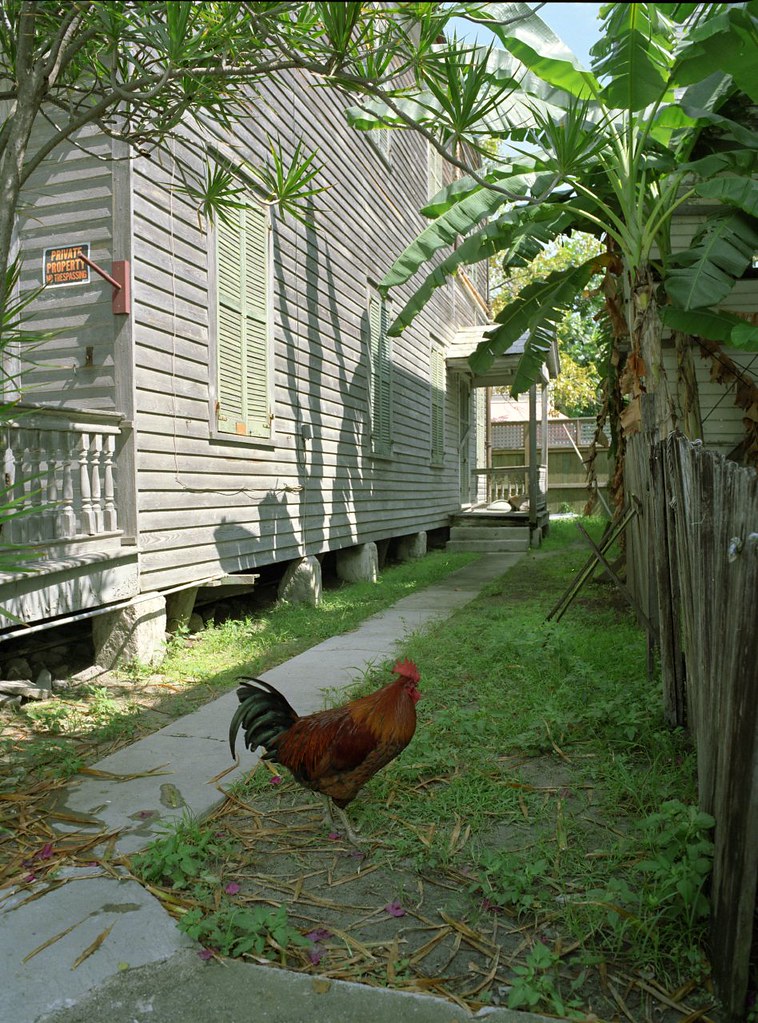
In Key West the roosters are everywhere: on the sidewalks, on restaurant patios, on the T-shirts, and whole shops are devoted to them. Miami has its own version, with roosters loose in Little Havana, Little Haiti, Wynwood and even downtown, and dozens of 6-foot sculptures along Calle Ocho, designed by artist Pedro Damián and installed starting in 2002.
How they came and stayed
The first settlers brought chickens in the 1820s. The Cuban migration of the 1860s added the cockfighting tradition and, after World War II, with supermarkets at hand, many families let theirs loose on an island with no predators. Florida banned cockfighting in 1986 and more roosters went free; Hurricane Georges, in 1998, finished spreading them across the island. That is the account of historians at the Florida Keys History Center, though there is little documentation of a single origin and they most likely came from several places.
What comes next
City Manager Brian L. Barroso told commissioners on Nov. 5 that recommendations will come in December or January and that any plan will be unbudgeted. Among the ideas raised: a city-owned site with water and power to hold the birds, and a pilot program to control their reproduction.