 Miami Magic
Key Biscayne end to end: the 1825 lighthouse and Crandon's coconut palms
As donors propose a multimillion-dollar plan for Crandon, the island holds a lighthouse that survived a war and a beach that was once a coconut plantation.
By Yolaxys Alvarez ·
- Bill Baggs is open from 8 a.m. until sundown. Entry is $8 per car with two to eight people, and $2 on foot or by bike. On weekends and holidays, arrive early.
- Lighthouse tours run Thursday through Monday at 10 a.m. and 1 p.m., with no reservation or extra fee.
- At Crandon, parking is $7 Monday through Thursday and $10 Friday through Sunday, plus tax. Cabanas on the south end are rented through ParkLink, the county parks' reservation system.
People go to Crandon Park for the beach and the coconut palms. What could get a new look is far from the sand: a group of private donors is proposing $80 million to raise and rebuild its golf course and renovate its tennis center. The preliminary design is by Jack Nicklaus: the course would be raised to guard against flooding, with a three-story clubhouse and ocean-view deck, and the 37 tennis courts would give way to 27 for tennis, 8 for pickleball and 8 for padel.
The county would stay in charge and the course would remain public. For now it's only a proposal, with no approval or construction date, and it doesn't touch the beach: that's still the best excuse to cross the Rickenbacker and spend a day with no clock on Key Biscayne.
Mornings belong to the lighthouse. At the island's southern tip, inside Bill Baggs Cape Florida State Park, the Cape Florida Lighthouse has stood since 1825. In 1836, during the Seminole War, it was attacked: the assistant keeper survived trapped at the top, and the man with him was killed. It was rebuilt in 1846 and raised to 95 feet in 1855.
The climb is 109 spiral steps, and from the top you see the Atlantic and Biscayne Bay at once. The park notes that this cape was also a beacon of freedom: Black Seminoles and enslaved people escaping bondage set out from here for the British Bahamas.
Its beach is considered one of the top 10 in the country. The Lighthouse Café serves seafood by the water; the fishing piers, however, remain closed for repairs.
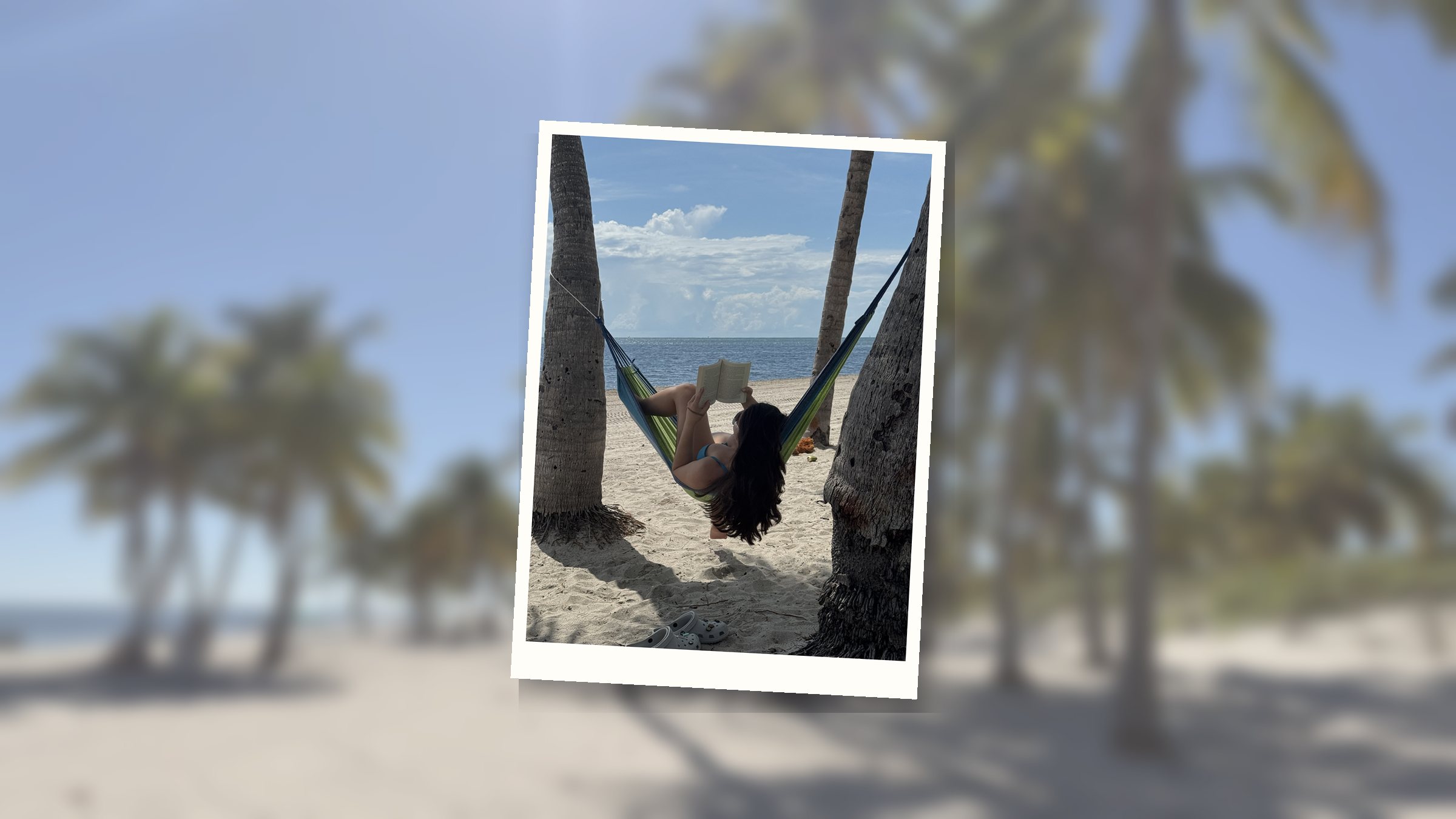
Afternoons are for Crandon, on the north end of the island. Its two miles of sand were part of William J. Matheson's coconut plantation. His family donated the land to the county in 1940 in exchange for building the causeway, and the park opened in 1947, the same year as the bridge. That history explains the coconut palms that shade the sand almost to the water's edge.
At the south end, offshore reefs calm the water, good for floating without surprises. At the north end, a sandbar appears at low tide that you can walk out on, and the wind draws kiteboarders. Behind the beach, the Marjory Stoneman Douglas Biscayne Nature Center opens trails into the Bear Cut Preserve.
One for the table: there was once a zoo among those palms. The Crandon Park Zoo moved to the south of the county in 1981 and is now Zoo Miami.
Sources
- Miami Herald vía World Red Eye · Private backers float $80M plan to reinvent Crandon Park
- Florida State Parks · Bill Baggs Cape Florida State Park
- Florida State Parks · Hours & Fees, Cape Florida
- Visit Florida · Cape Florida Lighthouse in Key Biscayne
- U.S. Coast Guard History · Cape Florida Lighthouse
- Miami-Dade Parks · Crandon Park
- Wikipedia · Crandon Park
- Islands · Crandon Park Beach