 Miami Magic
Living where you work: the Keys' plan for its workers, in 5 points
The state objected to how 657 building permits would be handed out, and the county is adjusting before the final vote.
By Yolaxys Alvarez ·
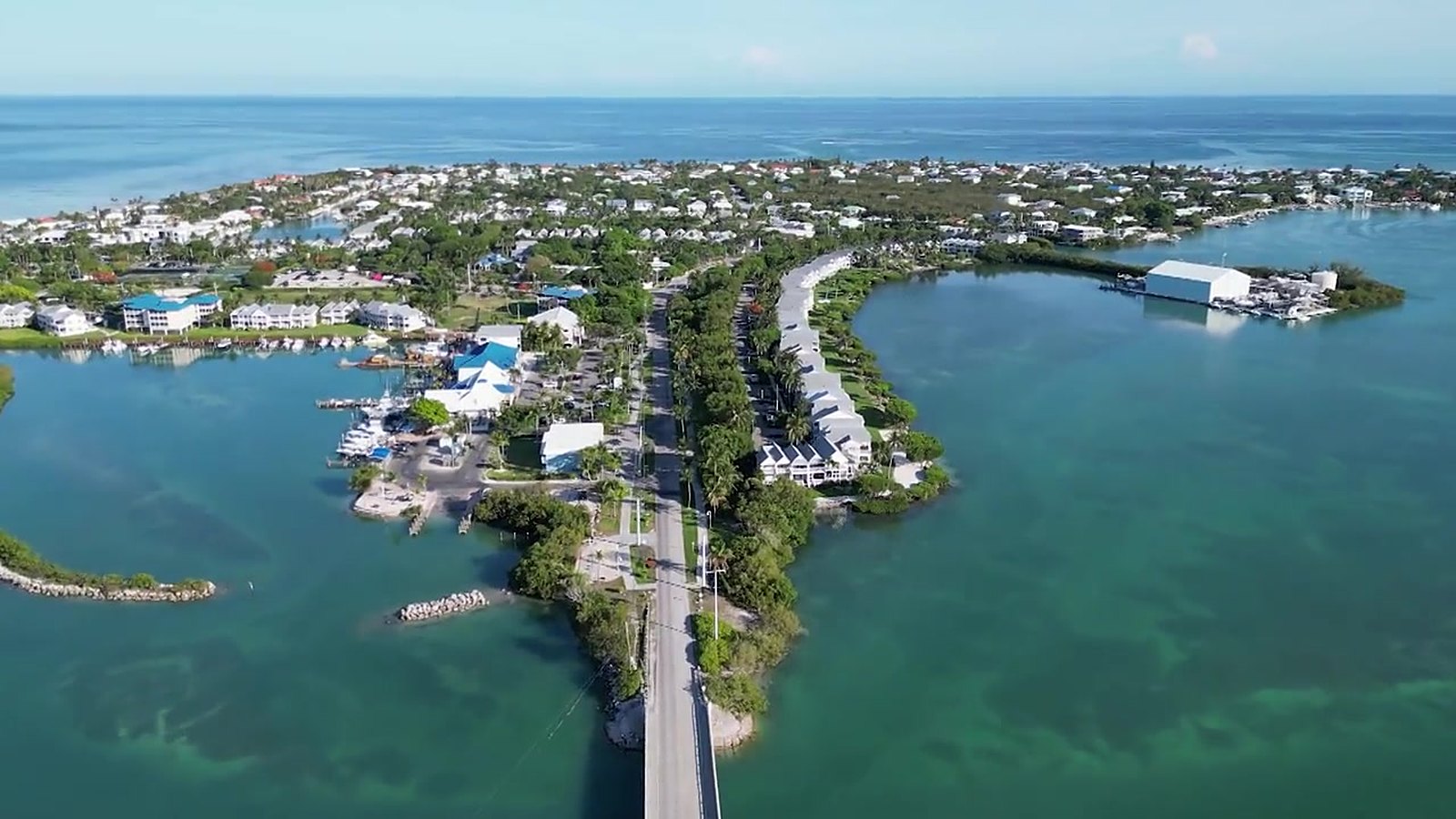
- The Monroe County Commission is set to adopt the plan at its Nov. 17 meeting.
- The next period to apply for permits is expected to open July 13, 2027.
- How the system works, at monroecounty-fl.gov/rogo.
Behind every sunset cocktail, every snorkel tour and every plate of fresh fish, there is someone who works in the Keys. Monroe County's housing plan aims to let that person live there too, and the state has just raised objections to it.
The Florida Department of Commerce objected that the allocation of the new building permits set none aside for affordable housing. County staff proposed fixing that and moving adoption to the Nov. 17 meeting, according to a county memo. Here is what's at stake.
1. What are these permits?
In the Keys, you can't build freely. The state limits how many new homes can go up so that a hurricane evacuation remains possible in time. The points-based system that hands out those permits is called ROGO.
2. How many are there?
Unincorporated Monroe County gets 657, spread over 10 years at one per buildable parcel, the staff report says. The first 219 belong to the period that runs through Dec. 31, 2027.
3. The big change
A new category is born: market-rate workforce housing. It's for people who earn at least 70% of their income working in Monroe, and the property stays tied to that use for 99 years. The idea is that those who keep the Keys running can live there.
The county already had another category for workers, with 300 permits and one condition: whoever lives in those units must evacuate in the first phase, 48 hours ahead of a major hurricane.
4. The state's objection
According to the memo, the original plan assigned none of the 657 permits to affordable housing, and the law requires prioritizing it. The state also asked for clearer rules to ensure those homes are truly occupied by local workers.
5. The fix
County staff propose that 5% of the permits, 33 in all, be used only for deed-restricted affordable housing. They join 214 other permits for affordable workforce housing already planned. With that, the county calculates, 28% of the 871 units available over 10 years would be affordable.