 Miami Magic
Has your boat been anchored for 14 days? In Florida it now needs a permit, and it's free
FWC requires a long-term anchoring permit for any vessel anchored 14 days or more within a 30-day period. You get it online.
By Yolaxys Alvarez ·
- The permit is electronic and free. Apply through FWC's online form with the vessel's and the owner's information.
- Not having one is a noncriminal violation, the agency says.
- With three or more citations in 24 months, FWC can remove the vessel and dispose of it.
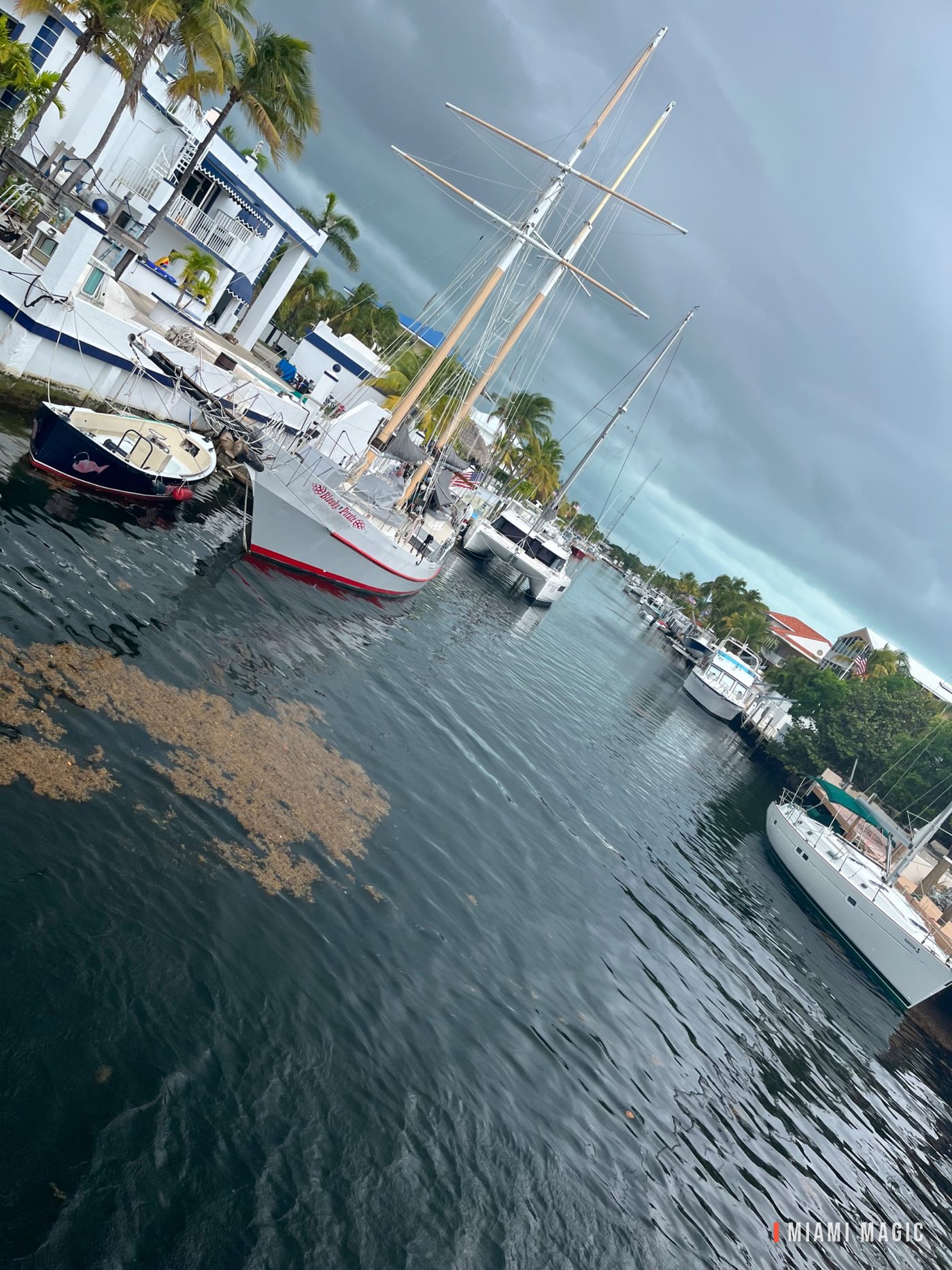
A vessel anchored in Florida waters for 14 days or more within any 30-day period needs a long-term anchoring permit, the Florida Fish and Wildlife Conservation Commission reminds boaters. The rule has been in effect since Jan. 1, 2026, and it weighs most in the Keys, where many boats spend whole seasons at anchor.
Who needs it, and who doesn't
The law counts the days precisely: 14 or more, within 30, anchored within one nautical mile of the same point. Moving a few yards doesn't reset the clock. Boats tied to a dock, public or private, or to a permitted mooring buoy are left out, and commercial fishing vessels, construction or dredging vessels on an active job site, and government boats on police, fire or rescue duty don't need one either, under the enacted text. A recreational fishing boat is exempt while its occupants are tending lines or nets.
What the form asks for
FWC's online form asks for the applicant's name, address, phone, email and date of birth; the boat's make, model, year and hull number, and the place where it will be anchored. Each permit covers a single vessel and expires after a year. Anyone who changes anchorage has to update it.
What it costs not to have it
The permit is free; the fine isn't. The law sets up to $100 for a first offense, up to $250 for a second and up to $500 from the third on. Failing to appear at the hearing or failing to pay also counts as a standing violation. And the permit can be revoked if the boat becomes derelict, is at risk of becoming derelict or breaks marine sanitation rules.
The Keys add a county rule on top: Key West is getting 100 new moorings and, with them, a 90-day anchoring limit.